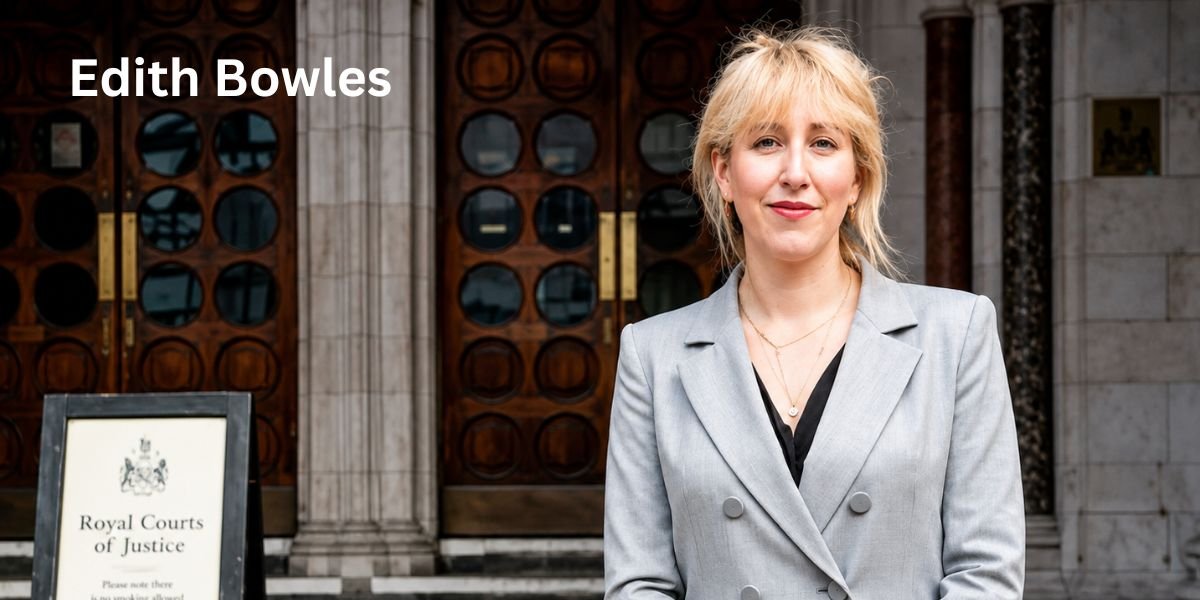
When people search for Edith Bowles, they often arrive at her name through the remarkable career of her son, acclaimed actor, playwright, director, and producer Colman Domingo. Yet reducing Edith to simply “Colman Domingo’s mother” misses what makes her story interesting. Although she did not live a public celebrity life, the details Domingo has shared over the years reveal a hardworking woman whose values, confidence, taste, and belief in her children left a lasting impression.
Edith Bowles raised her family in Philadelphia in a working-class environment. Public accounts describe her as a homemaker who also worked at a bank, while Domingo has recalled that she held several responsibilities during different periods of her life, including working, studying, and caring for her family. She was not surrounded by Hollywood privilege or entertainment-industry connections. Her world was much more ordinary, and that is partly what makes her influence on Domingo’s extraordinary career so compelling.
Much of what is publicly known about Edith comes from stories her son has shared in interviews. Those stories consistently portray a mother who believed strongly in her children’s potential and cared about how they presented themselves to the world. Her legacy can now be seen not only in Domingo’s memories but also in the confidence, style, determination, and creative independence that have become defining features of his career.
Who Was Edith Bowles?
Edith Bowles was an African American woman who lived and raised her family in Philadelphia, Pennsylvania. She was the mother of Colman Domingo, who was born in Philadelphia in 1969 and grew up as one of four children. The family belonged to a working-class community, far removed from the glamorous environment that would eventually surround Domingo as his acting career developed.
Descriptions of Edith’s working life show that she was willing to take on different roles when necessary. She has commonly been described as both a homemaker and a bank employee. Domingo has additionally recalled that his mother worked as a housekeeper and spent time as a student. Rather than following one straightforward professional path, she appears to have balanced employment, education, household responsibilities, and parenting according to what her family needed at different stages.
That background is useful when trying to understand Edith Bowles as a person. There is no large public archive documenting her life, and many basic biographical details, including an extensively documented professional history or exact birth information, are not widely available through reliable public sources. What is known instead comes through the memories of the people closest to her. Those memories present someone practical and hardworking, but also someone with a noticeable sense of personality and personal style.
Edith Bowles and Her Family Life in Philadelphia
Family life was central to Edith Bowles’ story. Colman Domingo has described growing up in a working-class household with his siblings in Philadelphia. His biological father, who was from Belize and had family connections to Guatemala, left when Domingo was still a child. Edith later built a household with her husband Clarence, Domingo’s stepfather, who worked sanding floors.
The family may not have had enormous financial resources, but Domingo’s recollections suggest that Edith placed real value on dignity and presentation. He has spoken about the way his mother and stepfather would dress carefully when going out and how his mother made sure her children also understood the importance of looking put together. For Edith, appearance was apparently not about showing off wealth. It was about taking care of yourself and presenting yourself with pride.
That distinction matters because it helps explain something people still notice about Colman Domingo today: his highly deliberate approach to fashion and presentation. His red-carpet style is now regularly discussed alongside his acting work, but the roots of that confidence appear to go much further back than celebrity stylists and designer clothing. Domingo has directly connected his appreciation for clothing, tailoring, cleanliness, and detail to the standards established in his childhood home.
How Edith Bowles Influenced Colman Domingo
Perhaps the clearest example of Edith’s influence involves a challenge Domingo experienced during childhood. He had a lisp when he was young, and his mother arranged speech therapy for him. Considering that he would eventually build a career around acting, writing, public speaking, and commanding a stage, that early intervention is an interesting part of his personal development.
It would be easy to turn that detail into an overly dramatic story and claim that Edith single-handedly created an actor. The reality is more meaningful when kept simple. She noticed something her child needed help with and acted on it. Good parenting often works that way. The important decisions are not always dramatic at the time, yet they can give a child more confidence and more tools for the future.
Her influence also seems to have involved encouraging individuality. Domingo eventually studied journalism at Temple University before moving to San Francisco and building his career primarily through theater. His path toward major recognition was slow rather than immediate. It took years of stage performances, writing, smaller screen roles, and professional persistence before he became widely recognized. Throughout stories about those early years, Edith appears as someone who remained convinced that her son’s abilities deserved a larger audience.
Edith Bowles’ Letters to Oprah Winfrey
One of the most memorable stories about Edith Bowles became widely known decades after it happened. During the earlier period of Domingo’s career, when he was still struggling to find steady opportunities, Edith regularly watched The Oprah Winfrey Show. Instead of simply hoping her son would eventually be discovered, she reportedly decided to write directly to Oprah Winfrey.
According to Domingo, his mother wrote multiple letters because she believed Oprah should know about her talented son. The story is both humorous and revealing. Edith had no guarantee that the letters would be answered or even reach Winfrey personally. She sent them anyway. Her willingness to advocate for Domingo demonstrates the degree of confidence she had in him long before the broader entertainment industry gave him the recognition he now enjoys.
The story eventually gained a remarkable ending. Years later, Domingo worked with Oprah Winfrey through The Color Purple, in which he played Mister and Winfrey served as a producer. When the story of Edith’s letters came up, Winfrey said she wished they had reached her because she would have wanted to know more about the son Edith was recommending. In retrospect, the moment feels almost cinematic: a mother writing letters to a television icon about her struggling actor son, followed years later by that son becoming a celebrated performer working alongside the same person.
Edith Bowles’ Influence on Colman Domingo’s Style and Confidence
Colman Domingo has become almost as recognizable for his fashion as he is for his performances. His suits, tailoring, bold choices, and attention to detail have made him a regular subject of fashion coverage. That public image might appear to be something created after achieving Hollywood success, but Domingo has repeatedly traced important parts of his style philosophy back to his upbringing.
He has recalled that Edith cared about the way her family looked, even when money was limited. The basic idea was that financial circumstances did not prevent someone from being clean, thoughtful, detailed, or well dressed. Properly fitted clothes and personal care could communicate pride without requiring obvious displays of wealth. That philosophy gave clothing a deeper meaning: appearance became a form of self-respect.
There is also something broader in that lesson. Edith’s approach was not simply about fashion. It was about controlling the things you could control. A person might not be able to change every economic or professional circumstance immediately, but they could still decide how carefully they carried themselves. Domingo’s highly intentional public image today feels consistent with that idea. His style has become more luxurious, naturally, but the underlying attention to detail clearly started much earlier.
Edith Bowles’ Death and a Major Turning Point in Domingo’s Career
Edith Bowles died in 2006. Her death occurred during an emotionally significant period in her son’s life. According to biographical accounts of Domingo’s career, she died the day after he successfully auditioned for the theatrical musical Passing Strange. His stepfather Clarence had died only months earlier.
The timing connected tremendous personal grief with a major professional development. Passing Strange would eventually become an important part of Domingo’s stage career, with the production later reaching Broadway. For someone who had spent years building a career through theater, the opportunity represented another meaningful step forward, yet Domingo was experiencing it while dealing with the loss of one of his strongest supporters.
Rather than presenting that moment as a simplistic tragedy-followed-by-success narrative, it is better understood as part of the complicated reality of a long career. Personal loss does not stop professional life from moving forward. Domingo continued working, performing, writing, and gradually building the body of work that would make him internationally known. Edith was no longer physically present to witness those later achievements, but the stories Domingo continues telling about her show that she remained an important reference point in his life.
How Colman Domingo Keeps Edith Bowles’ Legacy Alive
One of the clearest modern connections to Edith Bowles is Edith Productions, the production company associated with Colman Domingo and his husband, Raúl Domingo. The company develops projects across television, film, theater, and animation, extending Domingo’s work beyond acting and into producing and creative development.
Domingo co-founded Edith Productions with Raúl in 2020, and reporting about his career has described the company as a way of honoring his late mother. That makes the name particularly meaningful. Edith’s influence is therefore not confined to interviews or family photographs. Her name is connected to an active creative company responsible for developing new entertainment projects and giving Domingo greater control over the types of stories he brings to audiences.
There is a satisfying continuity to that choice. Edith once tried to create opportunities for her son by writing letters to someone she believed could recognize his talent. Years later, her son built a production company carrying her name that can help create opportunities, develop stories, and support creative work directly. The circumstances are completely different, but the underlying belief in initiative and creativity feels closely connected.
Why People Are Interested in Edith Bowles Today
Public interest in Edith Bowles has naturally increased as Colman Domingo has become more prominent. His performances across theater, television, and film have brought increasing attention to his background, particularly following major projects and award recognition. As audiences become interested in the people who shaped successful performers, Edith’s name appears more frequently in profiles about Domingo’s upbringing.
But the interest goes beyond celebrity curiosity. Edith represents the kind of family influence that is rarely visible during the early stages of a person’s career. When Domingo was still searching for consistent opportunities, there was no way to know exactly where his career would lead. Edith supported him before awards, major productions, magazine profiles, and widespread recognition entered the picture. Her belief came first.
That is probably the most useful way to understand her story. Edith Bowles was not a celebrity building a public legacy of her own. She was a mother whose everyday choices shaped someone who eventually became a major creative figure. Her encouragement, standards, determination, and willingness to advocate for her son became part of the foundation he carried into adulthood.
What We Know and Don’t Know About Edith Bowles
Anyone writing about Edith Bowles should be careful about separating documented information from speculation. Unlike her famous son, Edith was not extensively interviewed by major publications, and there is no comprehensive authorized public biography detailing every stage of her life. Information such as a widely verified birth date, complete educational record, or detailed employment timeline is not readily available through established biographical sources.
What can be responsibly stated is that she raised her family in Philadelphia, worked in several capacities during her life, including at a bank, and had a strong influence on Colman Domingo’s upbringing. Domingo’s own recollections provide additional insight into her sense of style, her support for his ambitions, and her efforts to help him during childhood and adulthood.
Recognizing those limits actually makes a biography stronger. Internet biographies sometimes fill missing information with assumptions simply to make a profile look complete. In Edith’s case, that would be unnecessary. The verified stories available about her already reveal something meaningful: she was a resourceful working mother whose influence became visible through the values and memories her son carried into his own life.
The Lasting Legacy of Edith Bowles
Edith Bowles’ legacy is closely connected to family, belief, and persistence. She raised children in a working-class Philadelphia household while balancing different responsibilities of her own. She encouraged her son when he faced challenges, arranged help when he needed it, and believed in his talent long before it brought him widespread recognition.
Her influence can also be found in smaller details. Domingo’s famous attention to style reflects lessons he associates with his childhood. His story about Edith repeatedly writing Oprah Winfrey captures her willingness to advocate for him. Even decades later, those memories continue appearing in interviews because they explain something important about where his confidence came from.
Frequently Asked Questions About Edith Bowles
Who was Edith Bowles?
Edith Bowles was the mother of American actor, playwright, director, and producer Colman Domingo. She raised her family in Philadelphia and is remembered as an important influence on Domingo’s confidence, personal values, and eventual creative career.
What was Edith Bowles famous for?
Edith Bowles was not a public celebrity herself. Most people know her today because of her relationship with Colman Domingo and the stories he has shared about her encouragement during his early life and career. Her strong belief in her son’s talent has become an important part of his personal story.
Who is Edith Bowles’ son?
Edith Bowles’ best-known son is Colman Domingo, an American actor, writer, director, and producer. He built his career through theater before becoming widely recognized for major television and film performances.
How did Edith Bowles influence Colman Domingo?
Edith encouraged Colman Domingo from childhood and supported his ambitions long before he achieved international recognition. Domingo has also connected his attention to personal presentation and style with lessons he learned while growing up in his mother’s household.
Did Edith Bowles write letters to Oprah Winfrey?
Yes. Colman Domingo has publicly recalled that his mother wrote letters to Oprah Winfrey because she believed Winfrey should know about her talented son. The story has become one of the most memorable examples of Edith’s confidence in Domingo during the earlier years of his career.
When did Edith Bowles die?
Edith Bowles died in 2006. Her death came during an important period in Colman Domingo’s developing theater career, making that time professionally significant but personally difficult for him.
Conclusion
Edith Bowles may not have lived in the public eye, but her influence can be seen clearly through the life and career of her son, Colman Domingo. She was a hardworking mother who valued education, confidence, personal presentation, and determination. More importantly, she supported her son before success, awards, and international recognition became part of his life.
The stories Domingo has shared about his mother show a woman who genuinely believed in his abilities. From helping him overcome childhood challenges to encouraging his ambitions and even writing letters to Oprah Winfrey about his talent, Edith was never afraid to stand behind her son. Her support gave him a strong emotional foundation as he slowly built his career in theater, television, and film.